No. Unlike traditional wires and brackets, you can eat whatever you like while in treatment because you remove your aligners to eat and drink. Thus, there is no need to restrict consuming any of your favourite foods and snacks. Also, it is important that you brush and floss your teeth after each meal and prior to re-inserting your aligners to maintain proper hygiene.
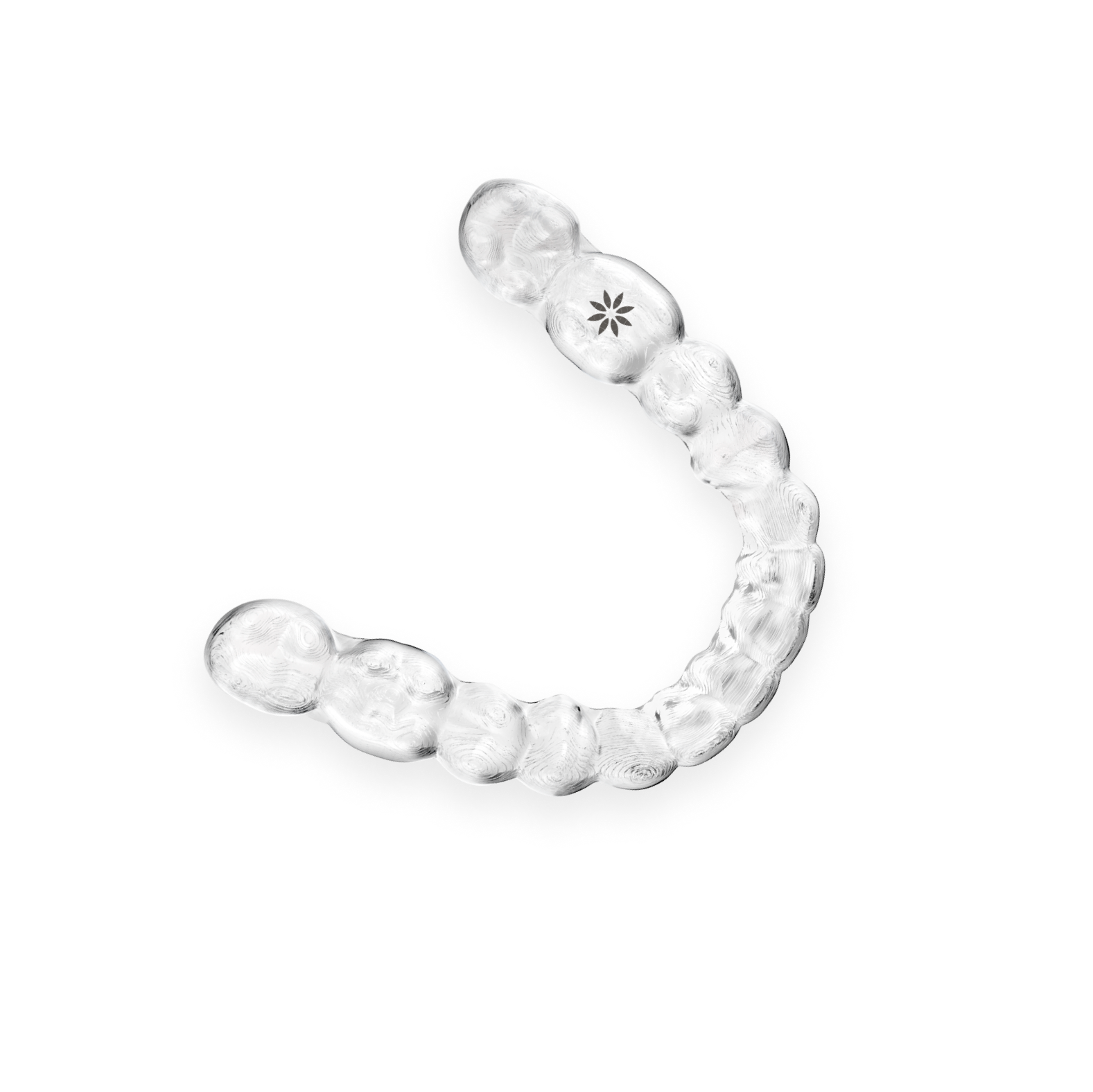
Aligners should be worn all the time during treatment, except when eating, brushing or flossing teeth.
The vast majority of patients report no effect on speech. However, as with traditional orthodontic appliances, there is an initial adjustment period associated with having something new in the mouth.
Smoking is discouraged while wearing aligners because it is possible for the aligners to become stained / discoloured
Chewing gum while wearing aligners is not advised as gum can stick to aligners. It is recommended that aligners be removed for all meals and snacks.
The best way to clean your aligners is by brushing and rinsing them in lukewarm water and using the Invisalign Cleaning Crystals or special cleaning tablets. It’s important that you brush your teeth after each meal and prior to re-inserting your aligners to maintain proper hygiene.
Some people may experience temporary, minor discomfort for a few days, at the beginning of each new stage of treatment when they insert a new aligner. This is normal and is typically described as a feeling of pressure. It is a sign that the aligners are working – moving your teeth gradually, helping you to achieve the final results. This discomfort typically goes away in a couple of days.
The total duration of treatment depends on the complexity of the treatment and is generally equal to that of traditional braces. Typically treatment can last between 9 and 18 months. During your consultation, your dentist or orthodontist can provide you with more detailed information.
Appointment intervals are generally the same as with traditional braces but can be much quicker with less time spent in the dentists’ or orthodontists’ chair during appointments as no adjustments need to be made to wires/brackets. Patients typically visit their dental practitioner every 4 to 6 weeks to ensure the treatment is progressing as planned, and to receive their next few sets of Invisalign aligners, but your dentist or orthodontist will decide based on your treatment.
As with other types of orthodontic treatment, the cost of Invisalign is dependent on the complexity of your case and your course of treatment - but the cost is generally comparable to traditional braces. Treatment fees are set by the treating dental practitioner and the average cost ranges from approximately £2,500-£4,000. However, prices start as low as £1,800 for minor corrections.
Find out more...
See how Invisalign can work for you, take the self-assessment.See how Invisalign has worked for others. Read the patient stories.Ready to take the next steps? Find your local Invisalign practitioner.
If you’re interested in finding out more about how Invisalign can improve your smile, request our FREE info kit.
Keep up to date with Invisalign, as well as hints and tips to make the most of your smile...