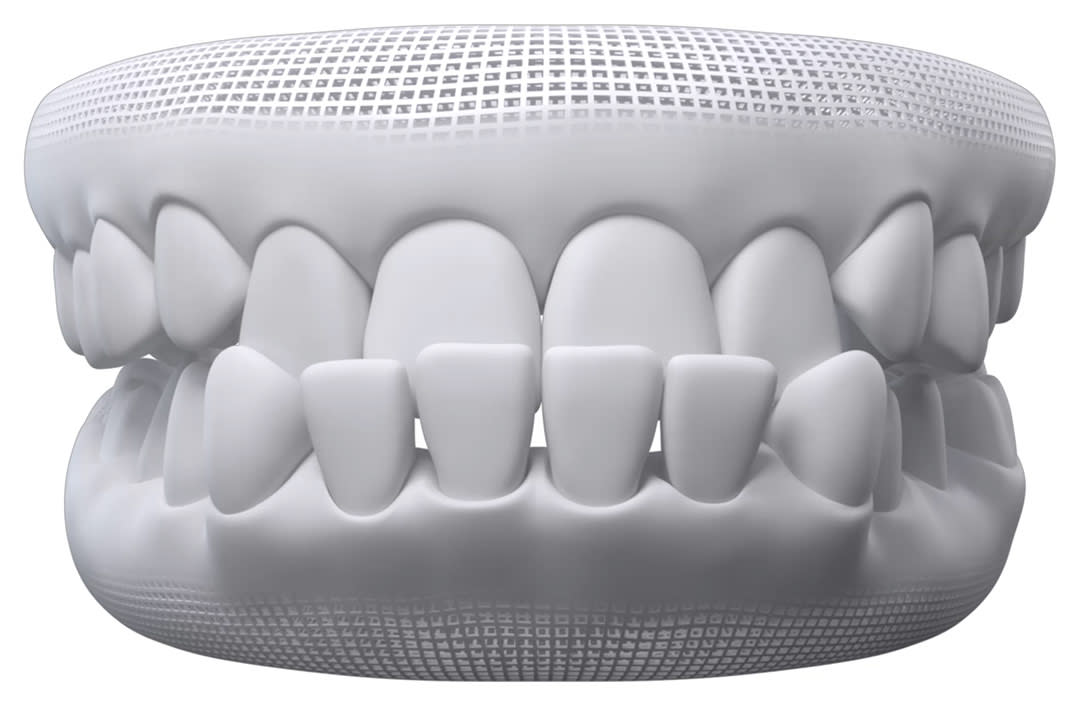
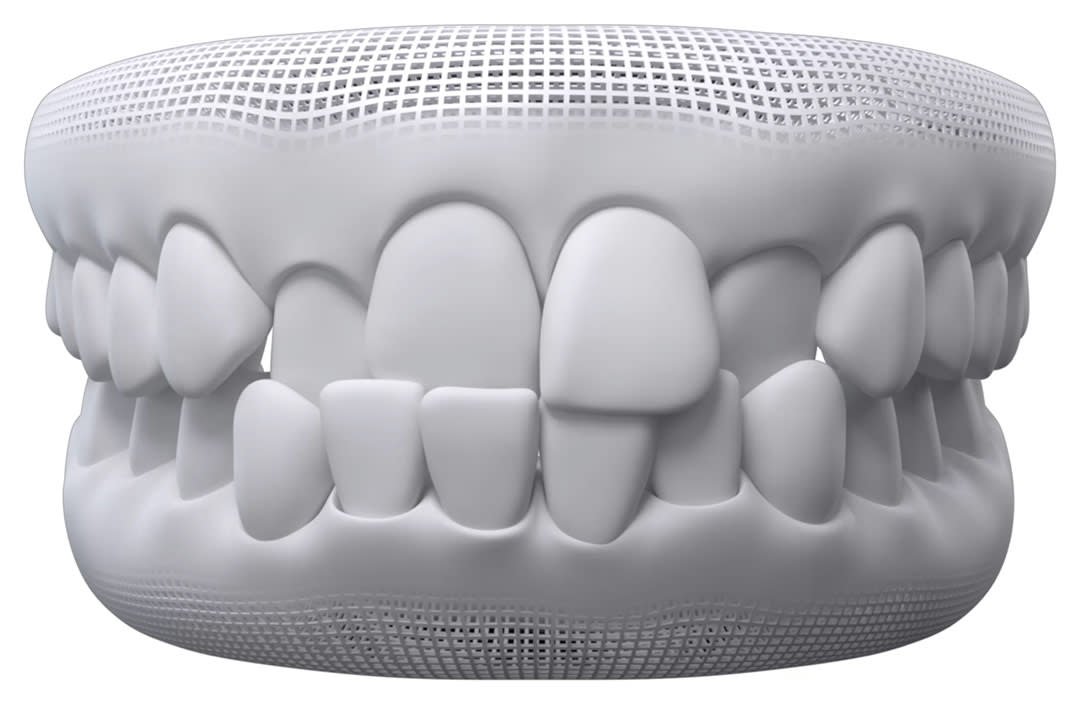


Have you ever looked in the mirror and noticed that some of your top teeth sit behind your bottom ones? Or maybe you’ve felt like your bite just doesn’t feel quite right when you chew? These could be signs that you may need orthodontic treatment - and potentially indicators of a crossbite, a common but often overlooked condition that can lead to dental problems if left unaddressed. It’s more than a cosmetic concern; a crossbite can affect your ability to eat comfortably, keep your teeth clean, and maintain proper jaw alignment.
The good news? Crossbites are highly treatable at any age. From clear aligners such as Invisalign® to traditional braces, expanders, and more, today’s orthodontic solutions are more advanced and more comfortable than ever. This article will help you understand what a crossbite is, how to recognise the symptoms, what causes it, and what steps you can take to correct it – starting with the very first orthodontic visit.
What is a crossbite? Types and key differences
A crossbite is a type of dental malocclusion where one or more upper teeth bite down on the inside of the lower teeth, rather than the outside as they normally should1. In a correct bite, each upper tooth should slightly overlap the corresponding lower tooth on the outside, spreading chewing forces evenly.
A crossbite can affect a single tooth or several teeth and may occur on one side (unilateral) or both sides (bilateral) of the jaw1
Anterior and posterior crossbite: what’s the difference?
Crossbite classification is based on their location within the mouth. The two primary types are:
Anterior Crossbite: This involves the front teeth. One or more upper front teeth sit behind the lower front teeth when biting together2. An anterior crossbite is sometimes mistaken for an underbite, but technically an underbite means all the upper front teeth (or even the entire upper jaw) sit behind the lower front teeth, whereas an anterior crossbite might involve just one or a few front teeth misaligned in this way1.
Posterior Crossbite: This involves the back teeth. A posterior crossbite means the upper back teeth bite inside, toward the tongue side of the lower back teeth2. In a normal bite, the upper back teeth should sit slightly to the outside of the lower back teeth. Posterior crossbites can occur on one side or both sides of the mouth.
There is also a less common variation called a buccal crossbite (or “scissor bite”), where an upper tooth bites completely on the outside of the lower teeth, with no contact between those teeth. In other words, the upper tooth is positioned too far toward the cheek side1. This is essentially the opposite scenario of a typical crossbite. Buccal crossbites are relatively rare but are another example of how the bite can be misaligned.
Dental vs. skeletal crossbites
It’s important to understand causes of crossbite, as this influences treatment. Crossbites are generally categorised by origin as either dental or skeletal in nature:
Dental Crossbite: This means the misalignment is due to the positioning of the teeth themselves, while the jaw sizes are normal. A dental crossbite often involves only a tooth or a few teeth that are tilted or shifted into the wrong position. For example, a single upper tooth might have erupted inward and now bites inside the lower teeth.
Skeletal Crossbite: This type of crossbite is caused by an underlying jaw size or width discrepancy. Often, it involves a narrow upper jaw (maxilla) or a wide lower jaw (mandible), causing many or all of the upper teeth to sit inside the lowers. Skeletal crossbites typically affect multiple teeth or entire sections of the bite because the jaw structures themselves are misaligned3. For instance, a child with a very narrow upper palate might develop a bilateral posterior crossbite.
Common crossbite symptoms and how to recognise them
Crossbites can sometimes be obvious when looking at the teeth, but in other cases they might be subtle. Here are common signs and symptoms that may indicate you or your child has a crossbite:
Visible misalignment: The most tell-tale sign is seeing that some upper teeth sit behind the corresponding lower teeth when the mouth is closed4. If you notice one of your upper front teeth “disappearing” behind the lowers in a mirror, or an upper back tooth that bites inside the lower back tooth, that’s a clear indicator.
Difficulty biting or chewing: You may experience trouble getting your teeth to fit together comfortably. Some people with a crossbite find it hard to bite into foods evenly. There might be a feeling that the jaw has to slide or shift to one side to make the teeth meet, or that only one side of the mouth touches when chewing. This can lead to unbalanced chewing and may cause someone to favour one side of the mouth when eating2.
Frequent cheek or tongue biting: If your upper teeth don’t close properly outside the lowers, you might accidentally bite the inside of your cheeks or the sides of your tongue more often. A posterior crossbite, in particular, can leave extra space on the cheek side of the teeth, and you may find you catch your cheek between the teeth while eating or speaking5.
Facial asymmetry or shifting jaw: In growing children, a unilateral crossbite can lead to the lower jaw shifting toward that side each time the mouth closes. Over the years, this functional shift can influence jaw growth, potentially resulting in a slight asymmetry of the face or jaw alignment2.
If you recognise any of these signs in yourself or your child and suspect a possible crossbite, it's important to seek professional advice. A qualified orthodontist can provide a thorough evaluation and confirm whether crossbite correction is needed, helping you take the first step towards a healthier, well-aligned smile.

Noticed signs of a crossbite and need professional advice?
You can book an appointment with a qualified doctor using the Invisalign® Doctor Locator, simply click the button below to get started.