What is an overbite & how it affects your smile?

Overbite

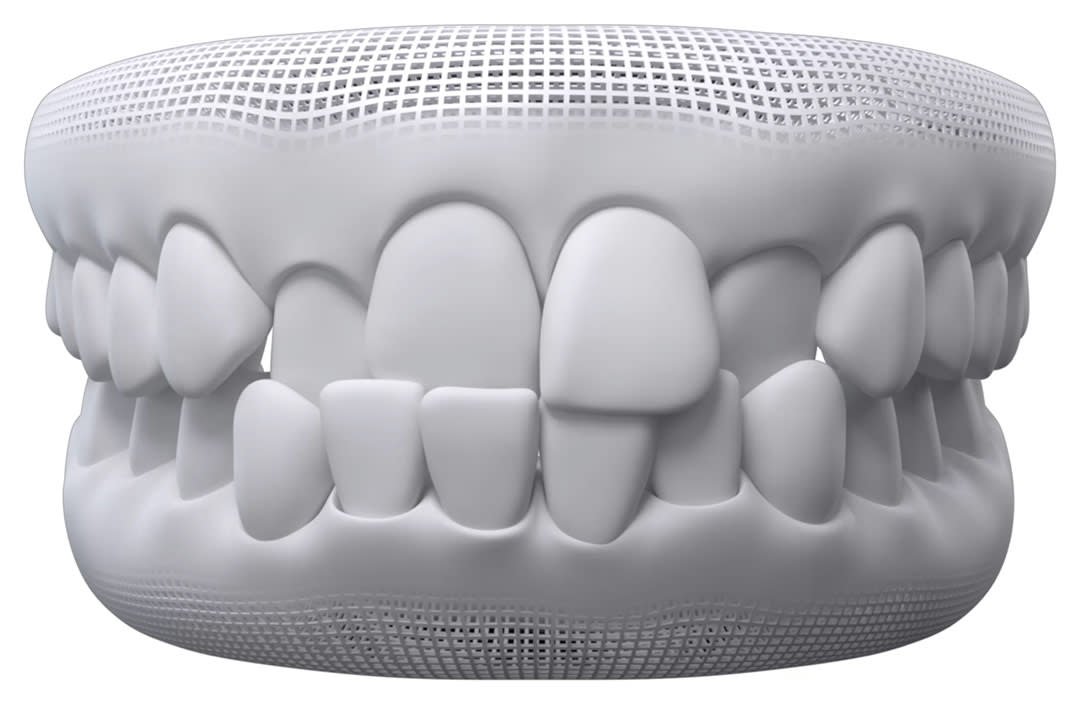
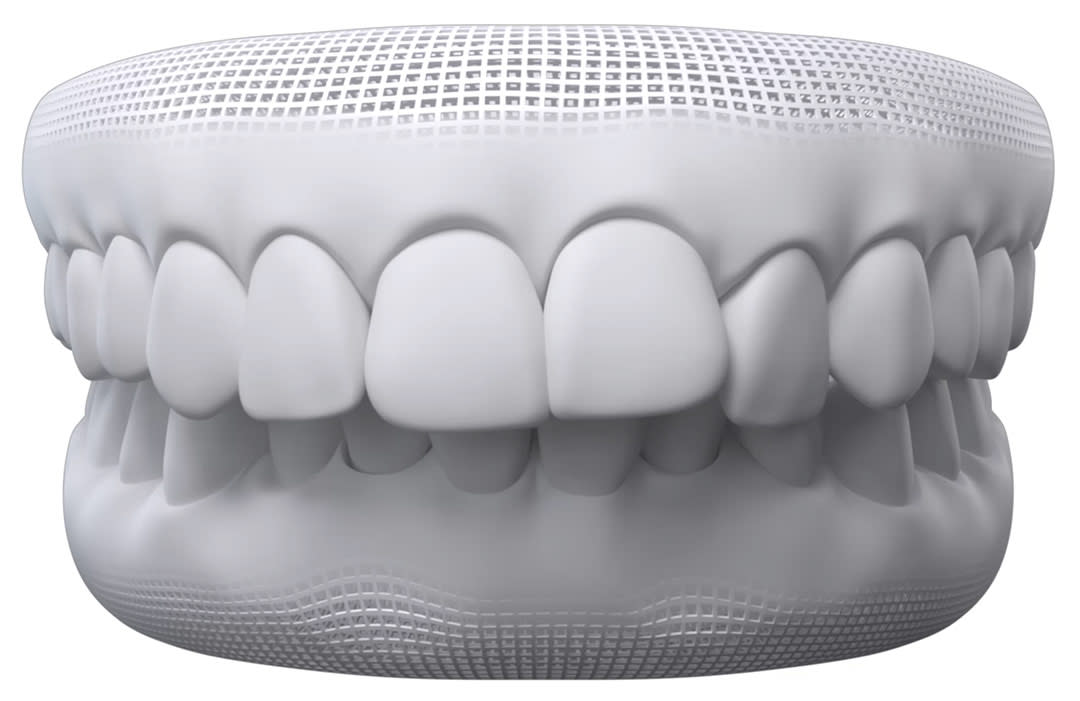
Most people have a slight overbite, which means the upper front teeth overlap the lower front teeth a little when you bite down. In fact, a small overbite (about 10–20% overlap) is normal and even necessary for a proper bite1. However, when the overlap is too large, it’s considered an overbite problem.

A noticeable overbite can influence your smile’s appearance – for example, your lower teeth might be hidden completely when you show your front teeth. It can also subtly impact chewing or speech if severe. The good news is that overbites are a common orthodontic issue and can typically be corrected with the right approach.

Below, we’ll explore what causes an overbite, how to tell if you have one, and the treatment options to fix it. We’ll also cover some everyday tips to keep your smile.

How to know if you have an overbite?

Wondering if your bite is ideal or if you your overbite can be improved? There are a couple of simple ways to gauge this:

  • Mirror self-check: One easy method is to gently bite down in your natural bite and look in the mirror (or take a photo of your smile). Check how much of your lower teeth you can see. In a normal bite, the top front teeth will overlap the bottom just a little. If your upper front teeth cover most or all of your lower front teeth, you likely have a pronounced overbite1. In practical terms, if your lower teeth virtually disappear when you bite down, that’s an indication of an overbite beyond the ideal range.

  • Side profile check: You might also notice an overbite by your profile. In some cases, a deep overbite can make the chin appear slightly recessed or the upper lip protrude a bit. This isn’t a definitive test, but if you’re noticing your lower jaw looks pushed back when your teeth are together, an overbite might be part of the reason. Comparing photographs of your side profile with a neutral jaw position can hint at this but be careful – it’s subtle and best assessed by a professional.

  • Ask your dentist: The most reliable way to know is to have your dentist or orthodontist examine your bite. Dentists routinely check your bite alignment during regular exams1. They may use terms like mild, moderate, or deep overbite to describe what they see. If your dentist has ever noted that your “front teeth overlap quite a bit” or mentioned malocclusion, they’re identifying an overbite. They can measure the overlap precisely. In some cases, they might take a side-view X-ray or photos to analyse your bite. So if you’re unsure from self-checking, a quick dental consultation will tell you for sure.

What causes an overbite: all you need to know

Overbite jaw develops due to a combination of genetic factors and external influences on how your teeth and jaws grow. Here’s a list of the most common causes of an overbite:

Genetics and jaw structure

In many cases, overbites are hereditary. You might simply inherit a jaw shape or size that causes your upper and lower teeth to align poorly2. For example, if your upper jaw is naturally a bit larger or your lower jaw a bit smaller, the upper teeth can overlap the lowers. Genetic factors like these are a primary cause of overbites.

Tongue-thrusting habit

Some people develop a habit called tongue-thrusting, where the tongue presses forward against the front teeth, especially when swallowing. Over years, this constant pressure can move the front teeth and cause an overbite3. Tackling this habit early (often with the help of a pediatric dentist or therapist) can prevent it from affecting the bite.

Teeth grinding or nail biting

Parafunctional habits like chronic bruxism (teeth grinding) or habitual nail biting are also possible contributors to an overbite3. Grinding your teeth can wear down the molars and cause your bite to collapse deeper over time, worsening a vertical overlap. Likewise, constantly biting your nails or chewing on pencils creates forces that might shift tooth position slightly. These habits alone are less likely to cause a major overbite by themselves, but they can exacerbate one or prevent it from correcting naturally.

Tooth crowding or spacing problems

Anything that causes irregular spacing of teeth can affect your bite. For instance, having extra teeth or impacted teeth can push other teeth out of alignment, and large gaps can let teeth shift position1. If your mouth is small or your teeth are large, crowding can occur, sometimes forcing the front teeth to overlap more vertically as they jostle for position. Conversely, if you have missing teeth or very spaced teeth, the remaining teeth might drift and tilt, which can also result in an overbite appearance1.

How to treat an overbite: all possible options

If you do have an overbite, don’t worry – there are many ways how to treat overbite, especially now with modern orthodontics. Most overbites can be corrected without any surgical procedures, typically using appliances that move the teeth over time. Understanding the differences between these treatments is important when deciding which one is right for you.

Invisalign® and overbite: can clear aligners help you?

Clear aligners are a popular alternative to braces for correcting overbites in patients of all ages. These are transparent plastic trays custom-made to fit over your teeth, which you wear 20-22 hours a day. Each set of aligners is slightly adjusted to move your teeth step by step. Invisalign® clear aligners are used by more people than any other brand4. Aligners can effectively fix mild to moderate overbites by nudging teeth into better positions over time5.

Female doctor showing her patient his Invisalign® aligners

Find out if Invisalign® treatment is right for your overbite

You can learn more about how Invisalign® clear aligners can help you with overbite treatment by clicking the button below to make an appointment with a doctor local to you.


Find out if Invisalign® treatment is right for your overbite

Female doctor showing her patient his Invisalign® aligners

You can learn more about how Invisalign® clear aligners can help you with overbite treatment by clicking the button below to make an appointment with a doctor local to you.
If you have an overbite, do you need braces?

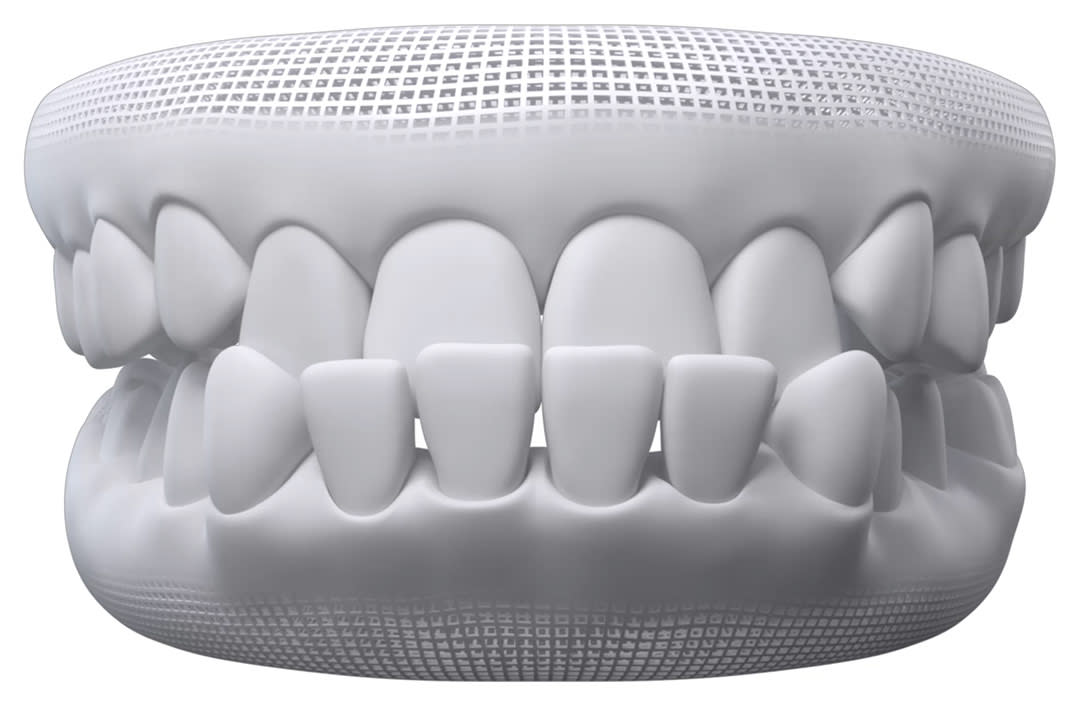
Conventional braces are one of the most common and effective treatments for overbites1. Braces involve attaching brackets to the teeth and connecting them with wires and tiny elastic bands. Over 1-3 years, braces for overbite apply gentle, constant pressure to shift the teeth into proper alignment. For overbite fix, braces often also use elastics hooked between the upper and lower braces to gradually bring the top and bottom teeth into better alignment.

Other ways to treat an overbite

  • Palate expanders: A palate expander is a device used mostly in children (before the mid-teen years) to widen the upper jaw. If a child’s upper jaw is too narrow relative to the lower jaw, it can cause crowding and bite problems including an overbite. The expander fits in the roof of the mouth and gently pushes the left and right halves of the upper jaw apart over time. Palate expanders can help correct an overbite in kids by creating more space for the adult teeth to come in correctly and improving the jaw alignment3.

  • Habit correction and myofunctional techniques: If a current habit is contributing to an overbite, part of the “treatment” is to correct those habits. No matter what orthodontic method is used, if the habit continues, it can reverse the progress.

Tips to improve your overbite for a confident smile

While orthodontic treatment is the definitive way to handle overbite correction, there are also non-medical, everyday steps you can take to help improve your bite or at least keep your smile healthy and confident. These tips won’t fix a large overbite; they can make a positive difference in your oral health and how your smile looks and feels:

Practice good oral posture

How you hold your jaw and tongue at rest can subtly influence your bite over time. The ideal oral posture is: lips closed, teeth slightly apart (or lightly touching), and your tongue resting gently against the roof of your mouth just behind your front teeth. This position encourages proper jaw alignment. Many people develop a habit of letting their mouth hang open or their lower jaw recede back, which can reinforce an overbite.

Wear your retainer if you finished treatment

If you’ve already had braces or aligners to correct an overbite, the best tip is to always wear your retainer as instructed. Overbites have a tendency to relapse if retainers are neglected, because the teeth can drift back to their old positions. Most orthodontists will recommend a retainer full-time for a few months, then nightly for a year or more – and many suggest a few nights a week indefinitely. This keeps the overbite correction intact.

Invisalign® doctor showing her patient his new clear aligners

When everyday tips are not enough

Healthy habits and good oral posture can support your smile and help maintain results, but they can’t correct a moderate or severe overbite. To understand the cause of your overbite and explore appropriate treatment options, it’s important to speak with a qualified doctor. A professional assessment can help determine whether orthodontic treatment, such as Invisalign® clear aligners, may be right for you.

When everyday tips are not enough

Invisalign® doctor showing her patient his new clear aligners

Healthy habits and good oral posture can support your smile and help maintain results, but they can’t correct a moderate or severe overbite. To understand the cause of your overbite and explore appropriate treatment options, it’s important to speak with a qualified doctor. A professional assessment can help determine whether orthodontic treatment, such as Invisalign® clear aligners, may be right for you.

FAQ

What’s an overbite?

An overbite is a type of bite misalignment (malocclusion) where your upper front teeth overlap too far over your lower front teeth3. In other words, when you bite down normally, your top teeth cover a significant portion of your bottom teeth. A small overbite is normal, but if the overlap is excessive, it’s considered a dental issue.

Can an overbite be fixed?

Yes, an overbite can definitely be fixed in most cases. The typical way to correct an overbite is through orthodontic treatment, either braces or clear aligners, which will slowly move your teeth into better alignment2.

How to tell if you have an overbite?

The easiest way to tell is to look at your teeth in the mirror when you bite down naturally. If you notice that your upper front teeth significantly cover your lower front teeth, you likely have an overbite. For instance, if the lower teeth are barely visible or not visible at all when your jaws are closed, that indicates an overbite beyond the normal slight overlap5. You can also ask your dentist during a check-up. Dentists measure and observe your bite as part of routine exams3.

Can Invisalign fix an overbite?

Yes, Invisalign can fix an overbite in many cases, particularly mild to moderate ones. Clear aligners like Invisalign gradually shift teeth into better alignment by applying controlled pressure over time. Invisalign treatment for overbite often includes precision bite ramps and elastic attachments to guide the teeth and jaws into a better position. However, for severe overbites (especially those caused by jaw structure rather than just tooth misalignment), traditional braces or a combination of treatments may be more effective. The best way to determine if Invisalign can correct your overbite is through an orthodontic consultation.


Disclaimer: The information contained in this website are for educational and informational purposes only and does not constitute medical advice. It is not intended to be a substitute for medical advice, diagnosis or treatment. Please seek the advice of your health care provider with any questions you may have regarding any dental or medical-related condition and never disregard or delay seeking such advice because of something you have read on this website.

Wonder if Invisalign treatment is right for you?

  1. California Association of Orthodontists - Does everyone have an overbite? (https://caortho.org/does-everyone-have-an-overbite)
  2. MedlinePlus - Malocclusion (Bad Bite). (https://medlineplus.gov/ency/article/001058.htm)
  3. Healthline - Buck Teeth (Overjet): Causes and Treatment. (https://www.healthline.com/health/buck-teeth)
  4. Data on file at Align Technology, June 30, 2024.
  5. Dr. Jacquie Smiles - Dr. Jacquie Smiles Talks Overbites with WebMD. (https://drjacquiesmilesmonroe.com/dr-jacquie-smiles-talks-overbites-with-webmd)