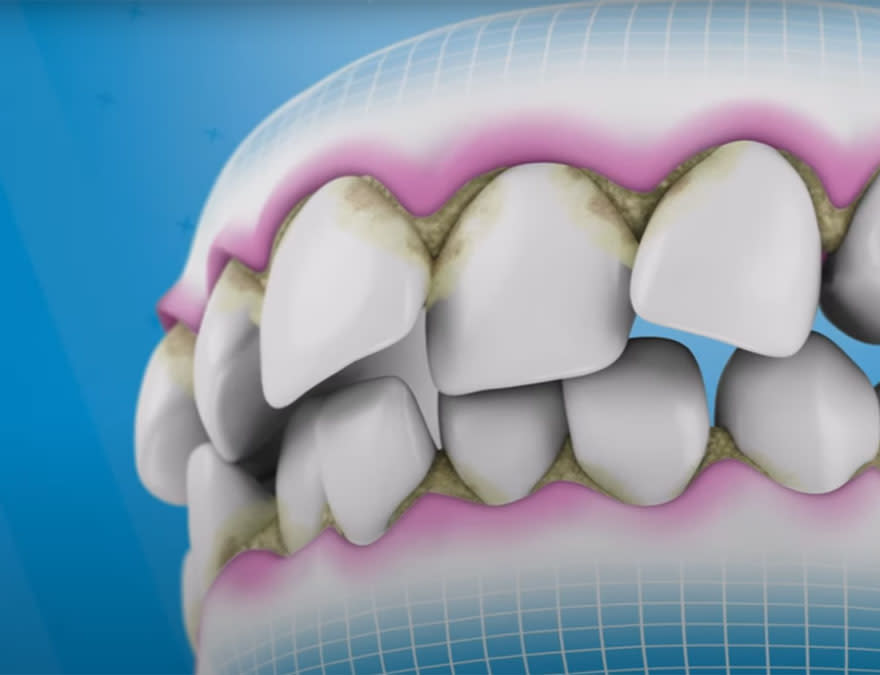


Crooked teeth, clinically known as dental malocclusion, refer to teeth that are misaligned or do not fit together properly when you bite1. This is a very common condition affecting children and adults alike2.
While slightly imperfect teeth can add character to a smile, more pronounced misalignment can pose oral health challenges. In this article, we explain what crooked teeth are, what causes them, whether they can be fixed naturally, the potential problems if left untreated, and the best treatment options. We’ll also provide oral hygiene tips for people with crooked teeth to help maintain a healthy smile.
What are crooked teeth?
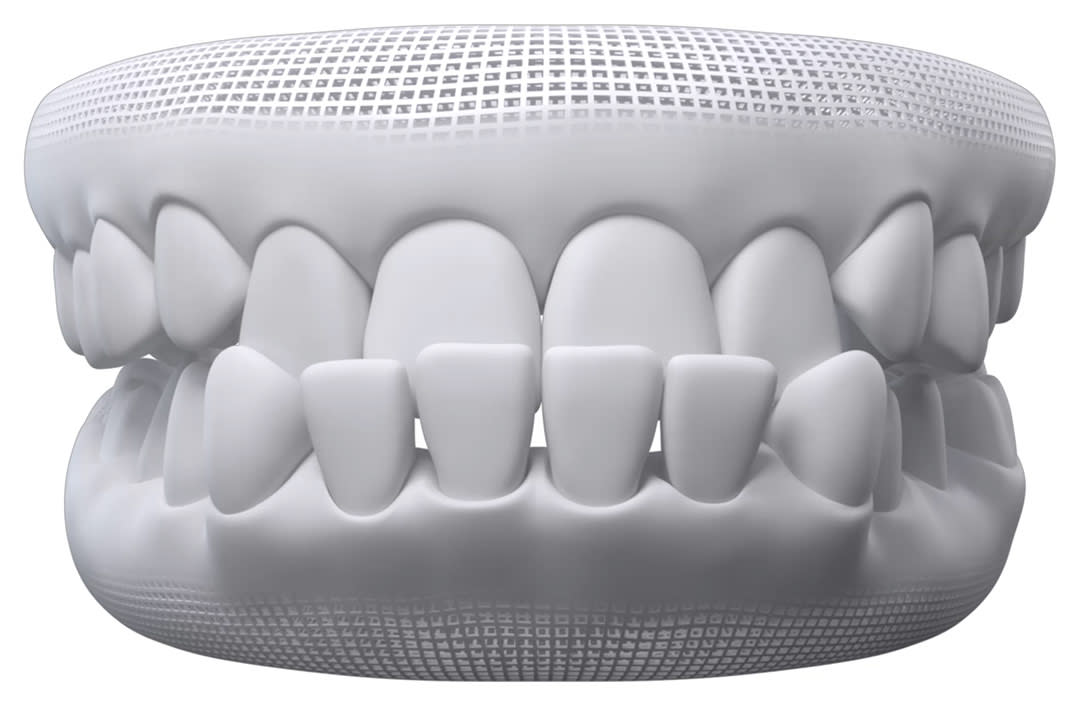
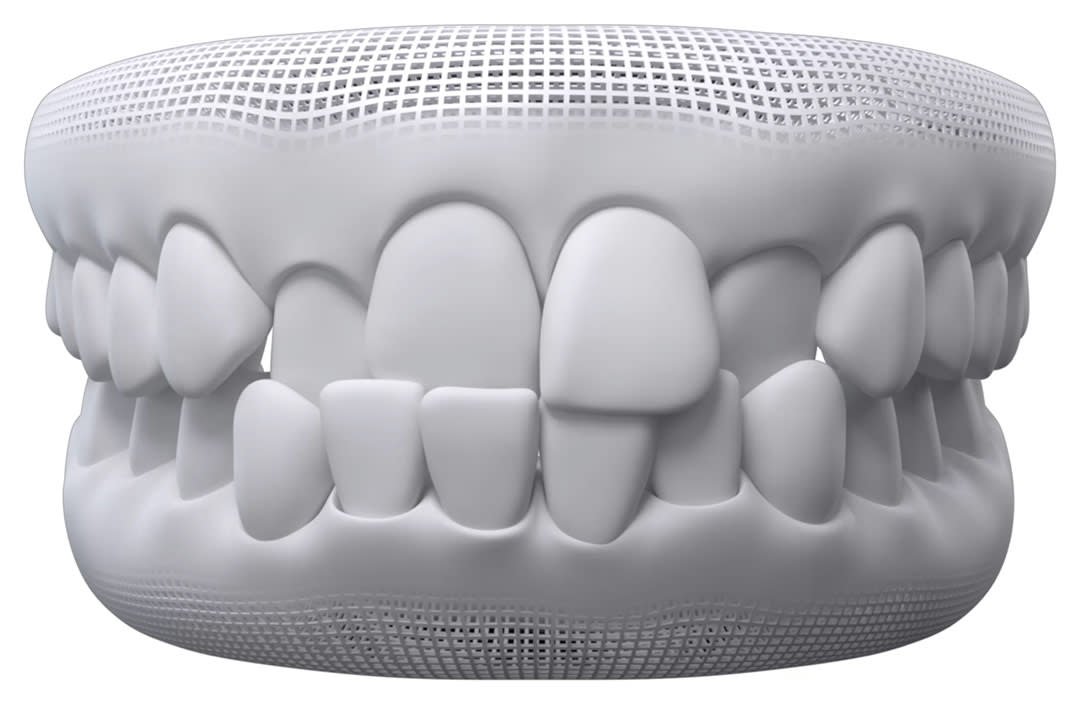
“Crooked teeth” is a layman’s term for teeth that are not properly aligned. In dentistry, this condition is called malocclusion, which simply means the teeth and jaws do not line up correctly1.
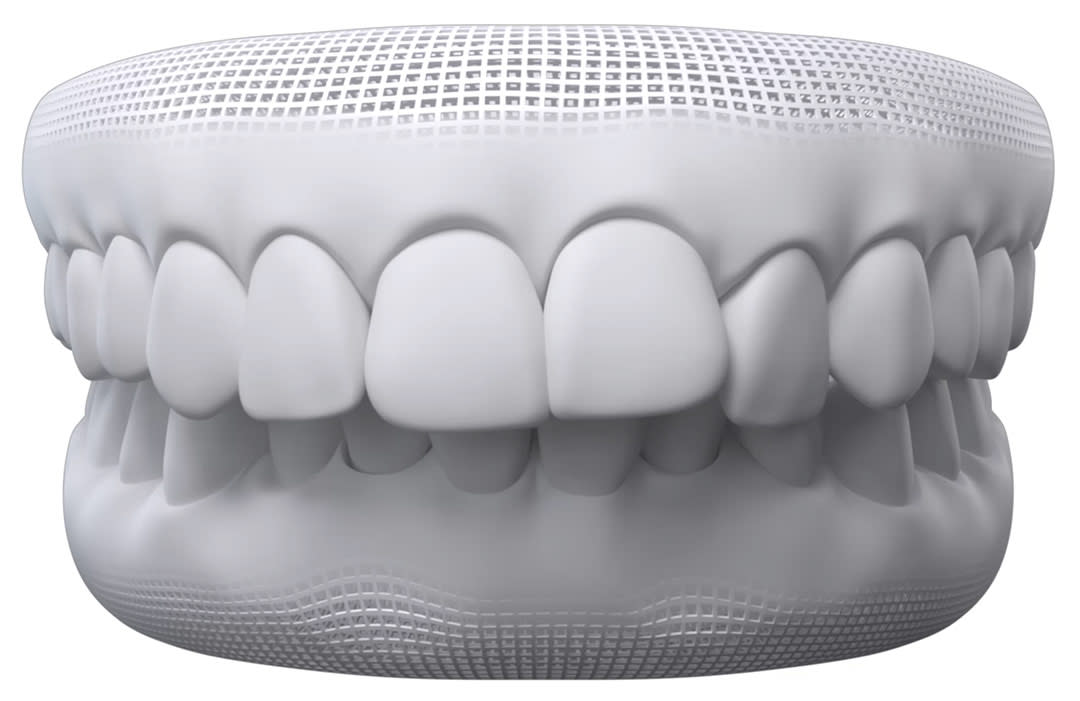
In an ideal bite, the upper teeth fit slightly over the lower teeth and the molar points nest into the grooves of the opposite molars. With crooked teeth or malocclusion, the teeth may be rotated, overlapping, spaced irregularly, or the upper and lower jaws may not meet evenly.
Common examples of malocclusions include overbites (upper teeth protruding far over lower teeth) and underbites (lower teeth jutting out past the uppers)1. Mild misalignment is extremely common and often harmless, but more severe cases can affect oral function and aesthetics.
What causes crooked teeth
There are many possible causes of crooked or misaligned teeth, ranging from genetics to childhood habits. Major factors include:
Genetics and jaw size: For most people, malocclusion is largely hereditary. You may simply inherit a jaw that is too small or a mismatch between jaw size and tooth size, causing teeth to crowd or space out unevenly1. The shape of your jaws and facial bones can also influence how your teeth come in. In fact, scientific evidence suggests modern humans’ softer diets have led to smaller jaws on average, which may contribute to crowding of teeth2.
Childhood habits: Certain habits in early childhood can push teeth out of alignment. Prolonged thumb sucking extended dummy use beyond about age 3, or persistent tongue-thrusting against the teeth can all exert pressure that shifts teeth into crooked positions1. For example, thumb sucking or using a dummy for too long can cause front baby teeth to jut out or become misaligned. Mouth-breathing is another habit that can affect jaw development and tooth alignment over time2.
Early loss of baby teeth: Baby teeth serve as placeholders for permanent teeth. If a baby tooth is lost too early, whether from decay or an accident, the adjacent teeth may drift into the gap. This can cause the incoming adult tooth to erupt in a misaligned position2.
Crowding and extra teeth: Sometimes the jaw simply doesn’t have enough room for all the teeth. This can lead to crowding, where teeth overlap or rotate as they compete for space. Crowding may be due to larger-than-average teeth, a smaller jaw, or having extra teeth that push others out of alignment. Conversely, losing a tooth without timely orthodontic care can cause neighbouring teeth to shift into the empty space, leading to misalignment1.
Poor oral habits and health in childhood: Inadequate dental care or poor nutrition during childhood can indirectly contribute to crooked teeth. For example, untreated cavities in baby teeth might lead to early tooth loss, and poor nutrition can affect the proper development of the jaws and teeth2. Severe gum infections in young children could also damage the support of primary teeth, potentially affecting how adult teeth come in. Overall, ensuring kids have good oral hygiene, a balanced diet, and regular dental checkups can help their teeth develop in proper alignment.
Problems caused by crooked teeth if left untreated
Many people live with slightly crooked teeth without any serious issues. However, significant misalignment can lead to various oral health and even general health problems over time. Here are some potential issues that crooked teeth can cause if not corrected:
Risk of decay and gum disease: Crooked or crowded teeth create tight or overlapping spaces that can be hard to brush and floss effectively. Plaque and food particles tend to get trapped in these nooks. Over time, this can lead to tooth decay (cavities) and gingivitis (gum inflammation) in areas that are not kept clean1. In short, misaligned teeth can significantly increase your risk of oral hygiene problems simply because they’re harder to keep spotless.
Excess wear and jaw strain: When the bite doesn’t come together properly, some teeth may hit or rub in ways they shouldn’t. This uneven pressure can cause certain teeth to wear down faster or even crack. It also puts extra stress on the jaw muscles and joint. Over years, crooked teeth can contribute to issues with the temporomandibular joint (TMJ), the joint in front of your ear, leading to jaw pain or clicking, and sometimes chronic headaches2. In addition, the improper contact between teeth can result in chipped or damaged enamel on the high-pressure spots.
Speech difficulties: The position of your teeth plays a role in forming certain sounds when you speak. Noticeable malocclusions, such as an open bite or severe overbites/underbites, can cause speech impediments like lisps or difficulty pronouncing certain letters2. For instance, a gap or misalignment in the front teeth might make “s” or “th” sounds harder to enunciate clearly. While not everyone with crooked teeth has speech issues, it can be a problem in more pronounced cases.
Self-esteem and social impact: It’s worth noting the psychological aspect as well. Many individuals feel self-conscious or anxious about smiling if their teeth are very crooked. This can affect one’s confidence and willingness to socialize or speak up. Studies and surveys have shown that people often perceive straight teeth as more attractive, which can put social or emotional pressure on those with misaligned teeth2.
In summary, correcting crooked teeth is noy always required, especially if they are mild and not causing any pain or issues. However, if you’re experiencing difficulty maintaining your oral hygiene, noticing jaw discomfort, or feeling unhappy with your teeth, it’s important to know that these problems can be addressed. Orthodontic evaluation can determine the severity of misalignment and the potential benefits of straightening your teeth.
Is it possible to fix crooked teeth naturally?
A common question is whether you can straighten crooked teeth on your own, without braces or aligners, for example, through exercises, pressure, or other “natural” methods. The truth is that there are no scientifically proven natural techniques to safely straighten teeth at home.
Teeth are held in the jaw by ligaments and bone, and moving them requires controlled force over time. This is precisely what orthodontic treatments like braces or clear aligners provide. Any attempt to move your teeth improperly can do more harm than good. Experts warn that trying to straighten your own teeth without professional supervision is not safe and is extremely unlikely to work3.
For very minor misalignment, sometimes a dentist may prescribe a retainer or other appliance, but this still falls under professional orthodontic care. So, if you’re looking to fix crooked teeth, it’s best to consult a dental professional rather than trying to find a natural shortcut.
How to fix crooked teeth?
If you decide (in consultation with your dentist or orthodontist) that your crooked teeth need to be corrected, there are several effective treatment approaches. The appropriate option depends on how severe the misalignment is, your age, and your personal preferences. Here are the proven ways to straighten or cosmetically improve crooked teeth:
Traditional braces
Traditional braces are the most common and reliable method for straightening teeth. Braces involve attaching small brackets to the teeth and connecting them with wires and elastic bands. The braces apply gentle, continuous pressure that gradually shifts teeth into the desired alignment. Modern braces can be made of metal or tooth-coloured ceramic to be less noticeable1.
They are highly effective for a wide range of alignment problems, from mildly crooked teeth to severe bite issues. Treatment with braces typically lasts about 1–3 years, depending on complexity. During this time, an orthodontist will adjust the wires periodically to guide the teeth into place.
Invisalign® clear aligners
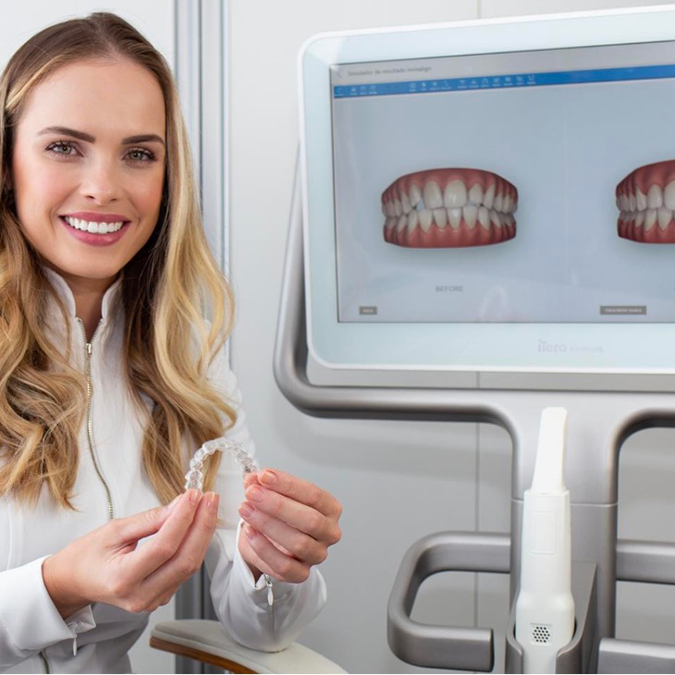
Clear aligners are a popular alternative to braces for teens and adults with mild to moderate crookedness. Aligners are transparent plastic trays custom-made to fit snugly over your teeth. A series of aligner sets is used; you wear each set for about 1–2 weeks, then move to the next, and each one incrementally adjusts the position of your teeth. Over time, this series of small movements leads to straightened teeth.
Aligners are nearly invisible when worn and are removable for eating, brushing, and flossing. This makes them convenient and more discreet than braces. However, they require discipline, you must wear them ~22 hours a day for them to work effectively. For appropriate cases though, Invisalign can achieve results comparable to braces. The treatment duration with aligners can range from several months to around 1.5 years, depending on the starting situation.
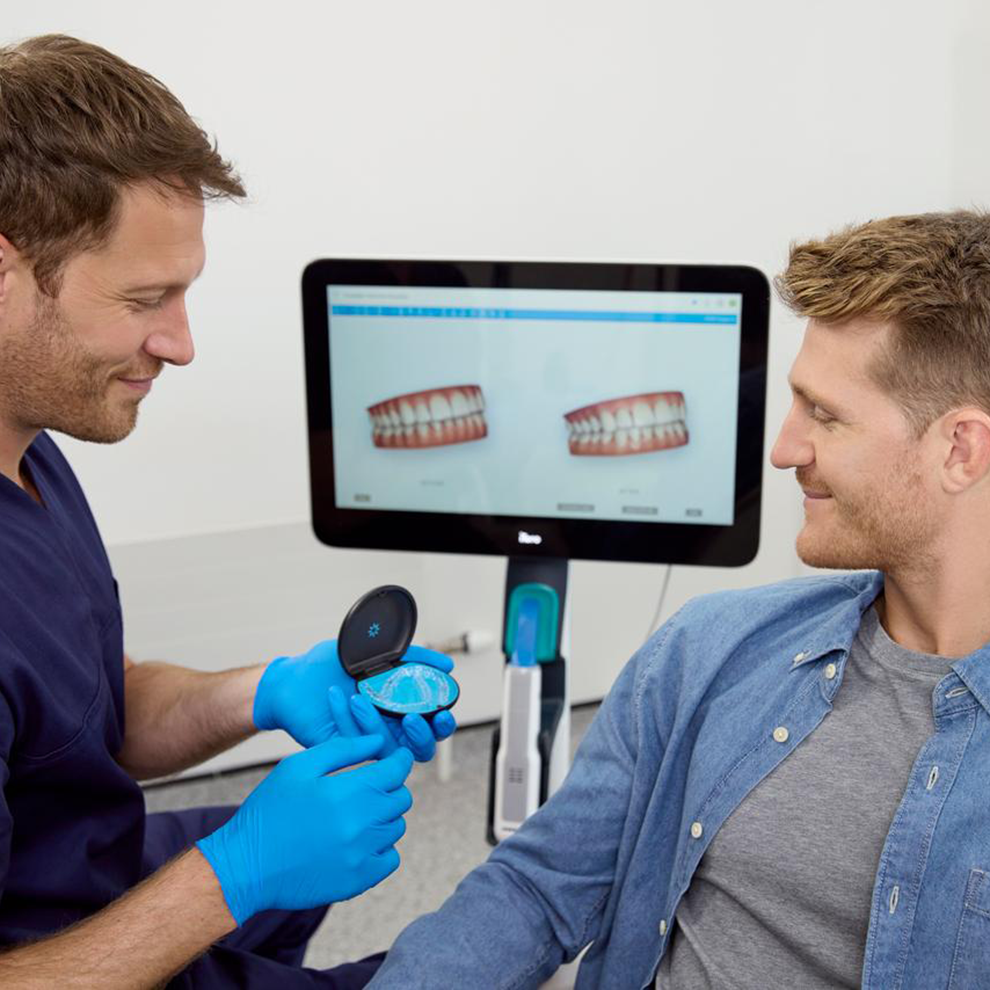
Thinking about straightening your teeth?
If you want to learn more about how to correct crooked teeth with Invisalign clear aligners, you can find a certified Invisalign doctor near you.