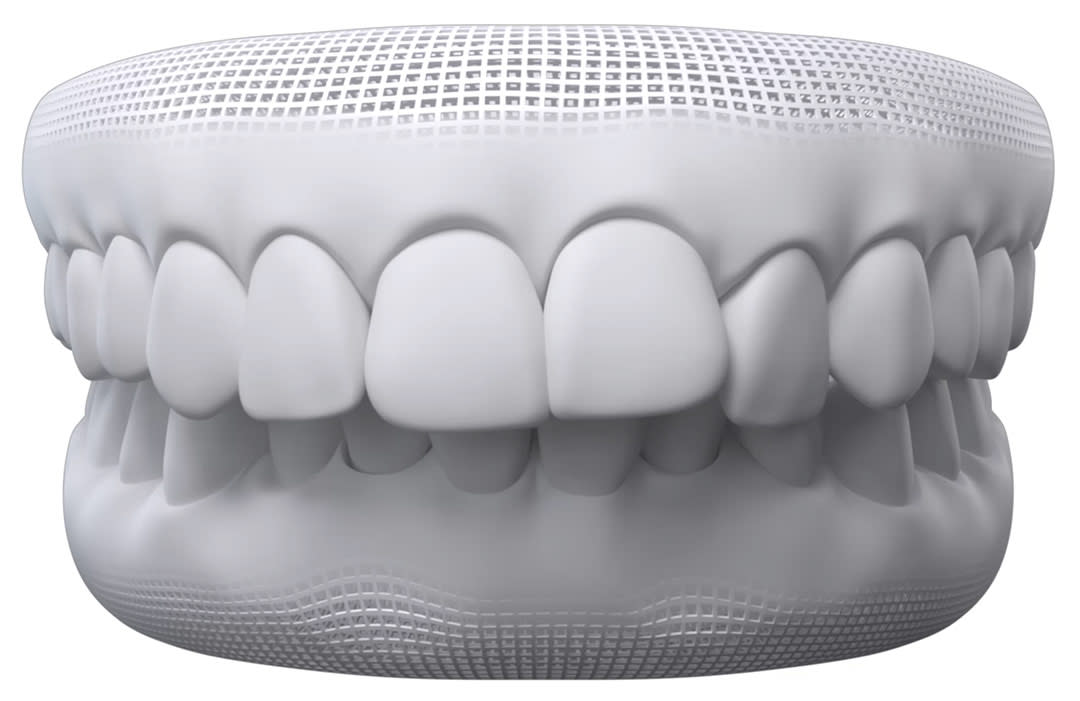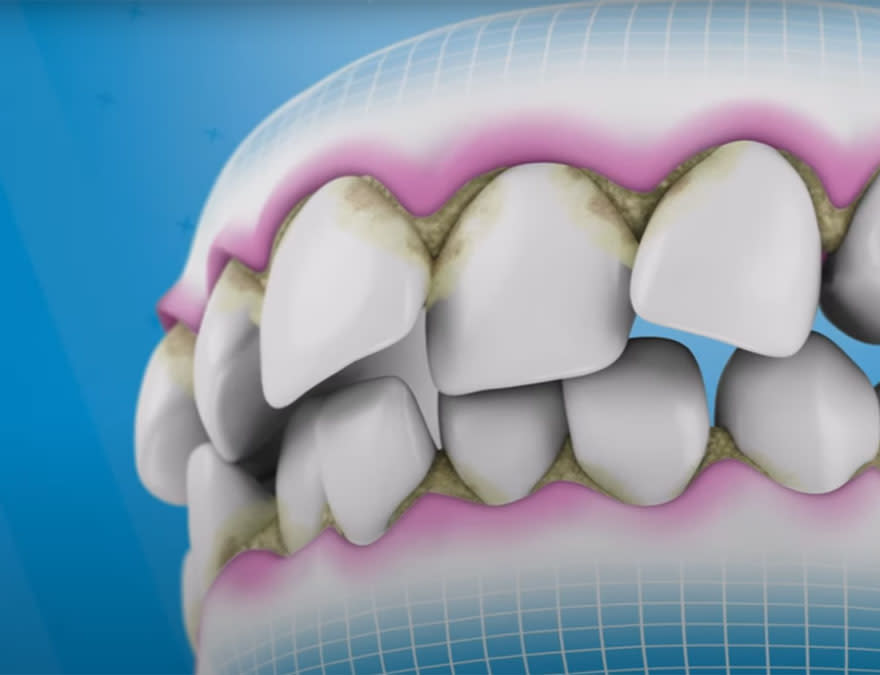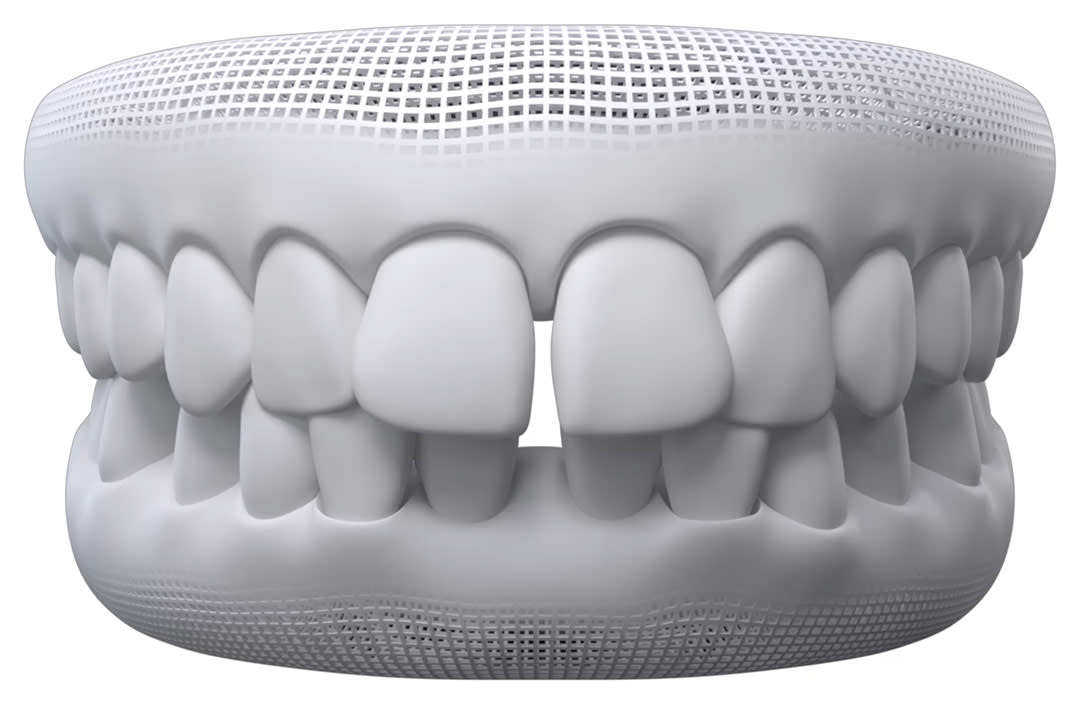
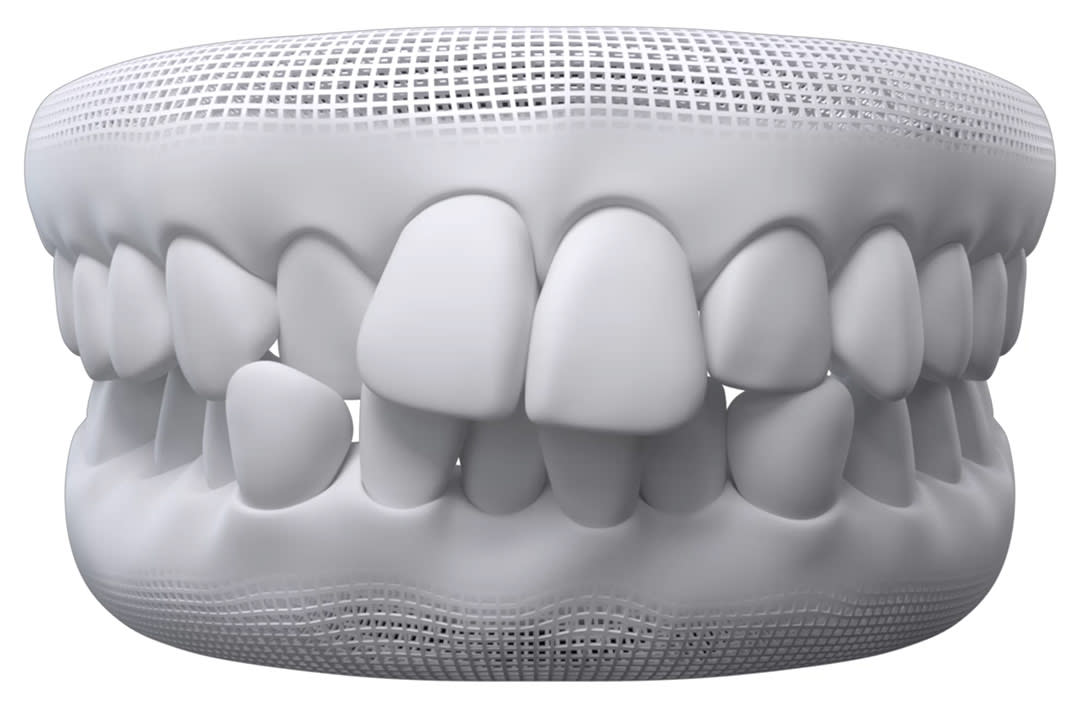


Crowded teeth, also known as dental crowding or overcrowding, are a very common dental issue. They occur when your jaw doesn’t have enough space to fit all the teeth in proper alignment, causing teeth to overlap, twist, or become misaligned1. In other words, the teeth are competing for limited room, leading to a crooked or “jumbled” appearance.
Crowding can affect both children and adults and is one of the most frequent reasons people seek orthodontic treatment2. While it might seem like mostly a cosmetic concern, crowded teeth can have real impacts on oral health and comfort if left unaddressed.
In this article, we’ll explore what causes crowded teeth, the potential risks of leaving them untreated, how to prevent crowding from developing, and the most effective treatment options available today.
What is crowding of teeth?
Crowded teeth refer to a type of malocclusion where teeth are bunched together due to insufficient space in the jaw. In a well-aligned bite, each tooth has the space it needs; with crowding, some teeth may overlap or end up pushed forward/backward out of line.
Orthodontists define dental crowding essentially as a discrepancy between tooth size and the jaw size – if the teeth collectively are too large for the available jaw space, they won’t align correctly3. This lack of space is what leads to teeth erupting at odd angles or getting “stuck” out of position.
Crowding in teeth can range from mild to severe. It can occur in either the upper jaw, lower jaw, or both, though mild crowding of the lower front teeth is especially common as people age3. In many cases crowded teeth are accompanied by other alignment, all falling under the umbrella of malocclusion.
What causes crowded teeth?
There are several well-established causes and contributing factors for crowded teeth. In many cases, genetics play a significant role. If one or both parents had crowding or if a child inherits a combination of a small jaw from one parent and relatively large teeth from the other, there may simply be a mismatch in tooth-to-jaw size. A narrow jaw or shorter dental arch can mean there isn’t enough room for all the teeth to align neatly. Indeed, crowding is known to have a strong hereditary tendency3.
Apart from genetic jaw size, early loss of baby teeth is a common environmental factor leading to crowding. If a baby tooth is lost too early, whether due to decay, trauma, or extraction, the neighbouring teeth tend to drift into that gap over time4. This can shrink the space needed for the permanent tooth to emerge, causing the adult tooth to erupt in a crowded, misaligned way5.
Orthodontists note that premature loss of baby teeth often disrupts the normal alignment of permanent teeth. Conversely, losing baby teeth later than normal can also create problems, if a baby tooth stubbornly remains in place while the adult tooth is trying to come in, the new tooth may be forced to erupt out of position, contributing to crowding.
Jaw development and oral habits in early childhood can also influence crowding. Habits such as prolonged thumb sucking or dummy use beyond about age 3–4 can affect the shape of the dental arch and palate, potentially contributing to a narrower arch and misaligned teeth6. Similarly, chronic mouth breathing is associated with altered jaw growth – children who mouth-breathe tend to develop narrower, high-arched palates and retruded jaws, which can reduce the space available for teeth and lead to crowding.
Lastly, natural growth changes and aging can contribute to crowding, especially in the lower front teeth. It’s been observed that even people who had straight teeth in youth can see an increase in minor crowding as they get older. This can be due to changes in the jaw shape/density with age or slight forward drifting of teeth.
What are the risks of not treating crowded teeth?
It may be tempting to view mildly crowded teeth as a purely cosmetic issue, but leaving significant crowding untreated can carry real risks for oral health and overall well-being.
One of the most immediate concerns is difficulty with oral hygiene. Crowded, overlapping teeth create tight nooks and crannies that are hard to reach with a toothbrush or floss. Plaque and food particles accumulate more easily in these areas, which in turn increases the risk of tooth decay and gum disease2. The NHS specifically notes that crooked or crowded teeth can be harder to keep clean, making them more likely to suffer from tooth decay or damage7.
Beyond cavities and gum inflammation, crowding can also lead to abnormal wear of tooth enamel. When teeth are not aligned properly, some may contact each other in irregular ways or bear more force than they should during biting and chewing. Over years, this can cause uneven grinding down of enamel, chips or fractures, or excessive wear on certain teeth2. For example, a tooth that is twisted and sticks out slightly might hit the opposing tooth improperly, leading to enamel erosion or cracks. Such wear and tear can eventually require dental work to repair, which is why orthodontic treatment can be considered a preventive measure against future dental repairs.
Another consequence of untreated crowded teeth is the potential for bite and jaw problems. Significant crowding often goes hand-in-hand with some degree of malocclusion. This can manifest as difficulty chewing food efficiently or even speech impediments. Over time, an imbalanced bite can put strain on the jaw joints and muscles. People with crowding or other bite issues sometimes experience jaw pain or clicking (TMJ dysfunction) and even tension headaches due to the extra stress on the chewing muscles. In severe cases, untreated malocclusion has been linked to issues like gum or even breathing difficulties like sleep apnea if the jaw structure is markedly narrow8 – though with simple crowding alone, the more common functional issues are chewing and cleaning difficulties.
There is also a psychosocial aspect to consider. Noticeably crowded or crooked teeth can affect a person’s self-confidence. Children and adults alike may feel self-conscious about smiling or may be unhappy with their appearance. Studies have shown that people with significant dental misalignment sometimes avoid smiling or speaking up in social situations because of embarrassment, which can impact their social interactions and confidence1. While this is not a direct physical “health risk,” mental and social well-being are important parts of overall health. Many patients report a boost in self-esteem and quality of life after orthodontic correction of crowded teeth, precisely because they feel more confident in their smile.
The good news is that crowded teeth treatment can mitigate or eliminate most of these issues. Straightening the teeth not only improves aesthetics but also makes daily cleaning easier and distributes bite forces evenly – contributing to better long-term oral health. Given these considerations, dentists and orthodontists typically advise treating significant crowding sooner rather than later, before secondary problems take hold.
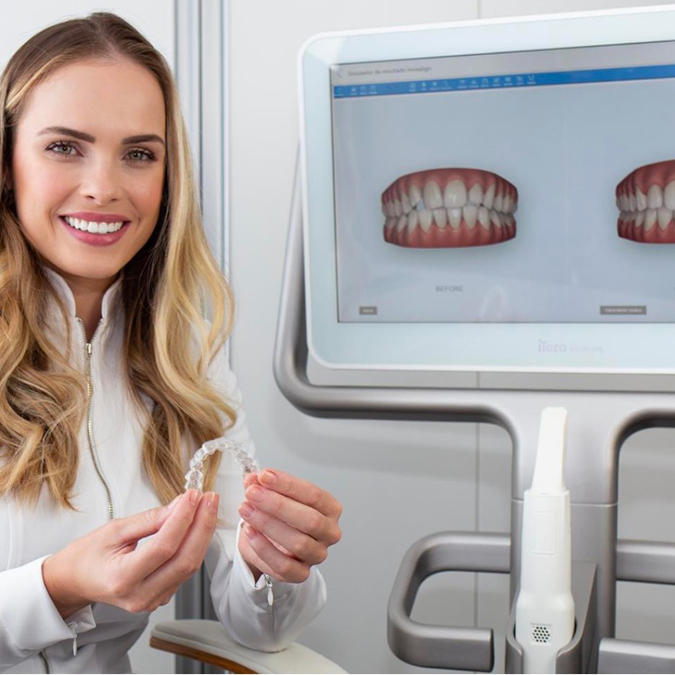
Take the next step in treating crowded teeth
Since early treatment can help prevent long-term oral health issues, it’s worth speaking to an Invisalign® -trained doctor. They can assess your case and recommend a personalised plan. Use the Doctor Locator to find a provider in your area and get started.